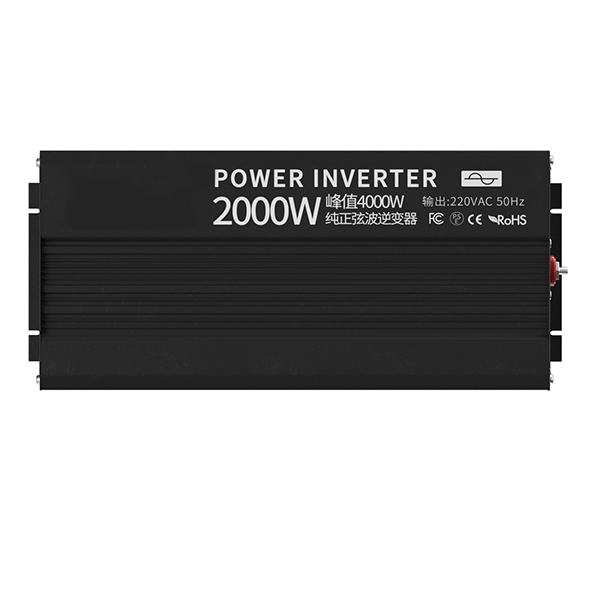
How to Size a Sine Wave Power Inverter for Your Needs
Selecting the right Sine Wave Power Inverter is important for ensuring the safe and efficient operation of your electrical devices, whether you’re equipping an RV, planning for home backup power, or setting up an off-grid solar system. Understanding inverter sizing involves several key steps, including calculating your total power needs and learning to avoid common sizing mistakes. This detailed guide explains each step to help you make an informed decision.
What Is a Sine Wave Power Inverter?
A Sine Wave Power Inverter converts DC (direct current) electricity from sources like batteries or solar panels into AC (alternating current), which powers most household appliances. “Sine wave” describes the smooth waveform output, which matches utility power and is suitable for sensitive equipment. Common types include Pure Sine Wave Power Inverter and Modified Sine Wave Power Inverter. Pure sine wave models provide a cleaner output, whereas modified sine wave inverters are more economical but may not be compatible with all devices.
Calculate Your Total Power Requirements
To size your power inverter accurately, begin by determining the total wattage of devices you intend to run simultaneously. List each appliance or tool and note its rated wattage, typically found on product labels or in manuals. If a device shows amperes but not watts, multiply the amps by the voltage (for example, 120V in the US) to find the wattage. Add up the wattages to get your total power requirement.
For instance, if you plan to run a refrigerator (150W), a TV (100W), a laptop (60W), and LED lights (40W) at the same time, the total is 350W (150 + 100 + 60 + 40). Your inverter should be rated for at least this amount of continuous power, not including surge requirements, which are discussed in the next section.
Include a margin for future expansion by considering any additional devices you might use later. Some appliances, especially those with motors or compressors, will briefly draw more power when starting – this is called surge or peak power.
Understand Continuous vs Peak Power
Inverters have two critical ratings: continuous wattage (what can be supplied indefinitely) and peak (or surge) wattage (the short bursts needed for devices to start).
For example, a refrigerator may operate at 150W but require 1200W for a couple of seconds when the compressor starts. The inverter you choose must be capable of meeting both the continuous and peak demands. A common guideline is to select an inverter with a peak rating at least double the highest surge power requirement among your devices.
If you plan to start several high-draw appliances at the same time, estimate the combined surge demand. In practice, devices rarely peak together, but allowing for extra headroom is wise.
Match Inverter Size to Battery Voltage
Inverters are designed for specific input voltages that must correspond to your battery bank: typically 12V, 24V, or 48V.
- 12V systems are common in vehicles, small RVs, and compact off-grid setups (generally for inverters up to about 1500W).
- 24V systems suit medium setups (inverters up to 3000W).
- 48V systems are typical for large residential or light commercial projects (inverters above 3000W).
Choosing the right voltage ensures the inverter and batteries work together efficiently. Using an inverter with significantly higher wattage than your battery bank supports can drain batteries quickly or cause system instability, while an undersized inverter limits performance.
Common Sizing Mistakes to Avoid
Here are some frequent inverter sizing errors:
Underestimating Power Needs: Not accounting for all devices’ wattages, including surge requirements, can lead to an undersized inverter.
Mismatched Battery Voltage: Using an inverter whose input voltage does not match your batteries will cause system malfunction.
Ignoring Inverter Efficiency: Inverters lose a small percentage of power during conversion. If your devices need 1000W, your batteries may need to provide up to 1100–1150W, considering typical inverter efficiency.
Incorrect Wiring: Using wires that are too thin for the inverter’s current can lead to voltage drops and reduce the system’s efficiency.
Safety Margins: Oversizing by about 20% can help accommodate unexpected loads and minor system losses.
Pure Sine Wave vs Modified Sine Wave Inverters
The two most common inverter types are Pure Sine Wave Power Inverter and Modified Sine Wave Power Inverter. Pure sine wave inverters produce a smooth output that closely replicates grid electricity, making them suitable for sensitive electronics and appliances with AC motors.
Modified sine wave inverters, although less expensive, can cause issues with certain devices—such as humming in audio equipment or inefficient operation in electronics and appliances. For basic resistive loads like simple lighting or heating, they can be sufficient. When sizing an inverter, consider if you need compatibility with delicate devices, which often requires a pure sine wave model.
FAQ: Sine Wave Power Inverter Sizing Questions Explained
How do I determine what size inverter I need? List the wattage of each device you plan to run at the same time, add them together, and factor in surge loads. Oversize by about 20% to ensure reliability.
What is the difference between continuous and surge power? Continuous power is what the inverter can reliably provide at all times. Surge power is a temporary extra capacity, used for devices that require more wattage at startup.
How should I match the inverter to my battery bank? The inverter’s input voltage must be the same as your battery system voltage (12V, 24V, or 48V).
Is it a problem if my inverter is too small? An undersized inverter may not start your appliances, or could shut down or overheat under load.
Are pure sine wave inverters always necessary? Pure sine wave inverters are best for sensitive and modern electronics. For simple tools or resistive loads, a modified sine wave inverter may be adequate.
Can I use a modified sine wave inverter with all appliances? Some appliances, particularly those with motors or sensitive electronics, may not operate correctly or safely on a modified sine wave inverter.
What should I know about inverter efficiency? Most inverters operate at 85–95% efficiency, so account for this when sizing your battery system.
Other Factors Affecting Your Inverter Choice
Additional considerations can further refine your inverter selection:
Remote Monitoring: Some inverters offer the ability to monitor performance remotely, which is helpful in managing your system more effectively.
Safety Certifications: Look for certifications (such as UL or CE) for assurance of tested safety and reliability.
Cooling and Protection Features: Inverters with over-temperature, over-voltage, and short-circuit protection can provide safer and more dependable operation.
Warranty and Support: Clear manufacturer support and documentation helps with installation, operation, and troubleshooting.
Tips for Installing and Maintaining Your Sine Wave Power Inverter
Inverter performance and safety also depend on proper installation and maintenance:
Place the inverter in a well-ventilated, dry area. Use cables of adequate thickness and keep them as short as practical for efficiency and safety.
Check battery terminals regularly and ensure all connections are tight and free of corrosion.
For smart inverters, apply any manufacturer-provided firmware updates to keep your inverter running reliably.
When to Upgrade Your Sine Wave Power Inverter
Consider replacing your inverter if your power needs have increased or you need features like higher surge capacity or improved compatibility with new appliances. Advances in inverter technology can also improve energy efficiency and system management, which may be reasons to upgrade.
Review your system if you notice frequent overloads, incompatibility warnings, or decreasing inverter efficiency.
Choosing the Best Sine Wave Power Inverter Brand
Compare brands based on reviews, warranty terms, and support services. Focus on those with reputable quality, documented performance, and necessary safety certifications.
For critical devices, always choose pure sine wave inverters from established manufacturers. For basic tools or short-term use, a well-built modified sine wave inverter may also be considered.
Sizing a Sine Wave Power Inverter involves careful calculation of your total and surge power needs, matching inverter input voltage to your battery bank, and avoiding common sizing mistakes. Select an inverter type based on the requirements of your appliances and consider future expansion. Proper installation and attention to quality and certifications ensure reliable and safe operation of your system.