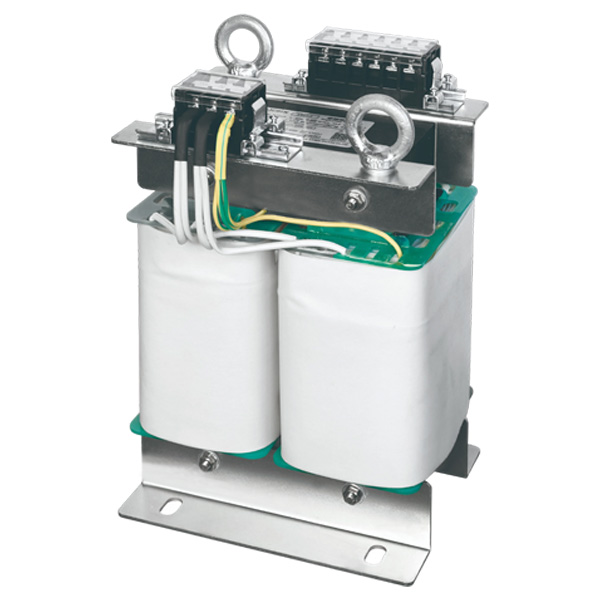
Isolation Transformer: What It Is and When You Need One
An isolation transformer is a specialized type of transformer built to pass AC power from a source to equipment without creating a direct electrical path. It relies on electromagnetic induction between primary and secondary windings to separate circuits physically and electrically. This separation lowers risks like electric shock, ground loop noise and electromagnetic interference. Unlike conventional transformers, its primary job is isolation, not stepping voltage up or down.
How Does an Isolation Transformer Work?
An isolation transformer holds two separate windings, primary and secondary, wound around one shared magnetic core. There is no electrical connection between these windings. Energy moves across through magnetic induction. When power is fed into the primary side, the magnetic field induces voltage on the secondary winding.
This arrangement delivers power while breaking the direct electrical link. It acts as a barrier that limits surges and fault currents coming from the supply side. This separation blocks common-mode noise and fast transient signals, and stops electrical faults from spreading to connected equipment. For reference, a single-phase safety isolation transformer follows this same working principle and can also help reduce third harmonic distortion under continuous operation.
Key Benefits of Using an Isolation Transformer
Isolation transformers bring several practical advantages:
- Electrical Safety: Separating loads from the mains supply reduces shock hazards for users and patients, which matters greatly inside medical environments. Many safety-focused units follow standards such as IEC 61558-2-4, EN 61558-2-4 and UL5085, often using F-class insulation for long-running use.
- Elimination of Ground Loops: It interrupts unintended ground paths, the main cause of hum or signal distortion in audio, video and measurement gear.
- Noise and Surge Suppression: Isolation filters out unwanted electrical disturbances, helping sensitive electronics run steadily.
- Compliance: Many industries require isolation transformers to meet local and international safety specifications. Some manufacturers offer custom winding and voltage configurations for non-standard project requirements.
Typical Applications of Isolation Transformers
Isolation transformers are used across many fields.
You will find them paired with hospital medical devices, factory automation hardware, telecom systems and audiovisual setups. Testing labs depend on them to keep measurement readings accurate. At home or in offices, they protect high-value devices like home theater systems and computers from damaging voltage spikes. Single-phase models ranging from 0.04kVA to 10kVA fit many of these common scenarios.
When Should You Use an Isolation Transformer?
An isolation transformer is worth considering in these cases:
- Human and Equipment Protection: Deploy it where electric shock or equipment failure poses a risk, such as medical spaces and delicate electronic setups.
- Ground Loop Elimination: It works well when hum or interference appears within audio or measurement systems.
- Surge and Noise Mitigation: Labs and high-tech facilities with sensitive instruments often rely on isolation to stabilize noisy power lines.
- Regulatory Compliance: Use it where industry rules explicitly demand galvanic isolation, common for healthcare and telecommunications installations.
If you need better safety, compliance with regulations and more stable operation, an isolation transformer is a sensible option.
Isolation Toroidal Transformers vs. Traditional Isolation Transformers
Toroidal isolation transformers use a donut-shaped core. They tend to be smaller, lighter and quieter, with lower electromagnetic leakage. These traits make them popular for audio gear, medical devices and precision instruments. Traditional transformers built with laminated cores take up more space but cost less, so they are widely selected for general commercial and industrial installations.
| Item | Toroidal Isolation Transformer | Traditional Laminated Core Isolation Transformer |
|---|---|---|
| Core shape | Donut / ring-shaped core | Stacked laminated silicon steel core |
| Size & Weight | Compact, lightweight | Larger footprint, heavier |
| Noise & EMI | Low noise, low electromagnetic interference | Higher noise level |
| Best for | Audio, medical, precision instruments | General commercial & industrial installations |
| Cost | Relatively higher | More cost-effective for bulk use |
Isolation Drive Transformers
Isolation drive transformers are designed to work alongside variable speed drives and motor controllers. They handle transients and electrical noise frequently seen on factory power networks. This helps keep motors running reliably and shields connected equipment, making them useful for automation and production lines.
Frequently Asked Questions (FAQ) About Isolation Transformers
Can an isolation transformer change voltage?
Voltage conversion is not its main purpose. Its core function is circuit isolation, though some models come with a fixed turns ratio as an extra feature.
Does an isolation transformer remove the need for grounding?
No. Proper grounding remains necessary. Isolation does not replace a safe grounding scheme.
Toroidal or laminated core—which should I choose?
Pick toroidal when space, noise and EMI performance are priorities, such as audio or medical equipment. Laminated core versions suit projects where budget control is key for commercial and industrial rollout.
What maintenance does it need?
Check the unit visually on a regular basis, keep it clean, place it in dry ventilated space and confirm grounding stays secure. Installation and repair work should be completed by a licensed electrician.
Installation and Maintenance Best Practices
For reliable performance, have a licensed electrician carry out installation. Mount the transformer in a dry, well-ventilated area and maintain correct grounding. Simple periodic inspection and cleaning will extend service life and preserve its protective performance.
An isolation transformer is a valuable component whenever electrical safety, equipment protection and clean power matter. It serves medical, industrial, audiovisual and residential applications equally well, delivering consistent galvanic isolation that supports system stability. Matching the transformer model to your actual site requirements and following correct installation steps will help you get dependable performance over time.